Chicken Coop Run Ideas
Highlighted under: Local Meals
I absolutely love coming up with creative and functional ideas for chicken coops and runs. When planning the perfect space for my feathered friends, I've discovered that a well-designed run not only keeps them safe and happy but also allows them to express natural behaviors. From adding foraging areas to creating shaded spots, I find that the right elements can really enhance their quality of life. Let's explore some fantastic ideas that I’ve implemented in my own coop that you can easily adapt to your space, too!
When I built my chicken coop run, I wanted to ensure it was not just secure but also engaging for my chickens. I chose to integrate climbing branches and nesting boxes that mimic their natural habitat, and I was amazed by how much more active they became. Adding greenery not only beautified the space but also provided shade and foraging opportunities. I’ll never forget the day they discovered their new environment—watching them hop on the branches was pure joy!
One detail that has made a big difference is incorporating movable fencing. This allows me to rotate their grazing area and keep the grass healthy, while also giving them fresh ground to explore. It's an easy adjustment that makes maintenance a breeze. Don't overlook the importance of predator protection either—sturdy fencing and a roof are essential!
Why You Will Love These Ideas
- Provides a safe and stimulating environment for your chickens
- Enhances the aesthetic of your backyard or garden
- Allows for easy maintenance and fresh grazing options
Creating Safe Enclosures
When designing your chicken coop run, ensure that the fencing is sturdy and secure to protect your chickens from predators. Using hardware cloth instead of traditional chicken wire is a great choice, as it is much stronger and can also stop smaller predators from gaining access. Make sure the enclosure is tall enough to deter any aerial attacks, ideally around six feet, which allows chickens ample space to hop and roam without feeling cramped.
Consider burying the fence a foot underground to prevent digging predators from entering. If you live in an area with particularly crafty wildlife, you could even add a wire mesh underground around the perimeter of the run. To help monitor safety, I recommend installing motion-activated lights around the run, which can deter nocturnal predators.
Enriching Their Environment
Chickens naturally love to forage, so incorporating various textures and structures into their run can keep them engaged and happy. Adding logs, rocks, and wooden pallets not only adds interest but also provides scratching and pecking opportunities. You might also consider planting herbs like rosemary or basil, which are safe for chickens and can create a delightful sensory experience as well as a bit of shade.
Water features such as small fountains can serve dual purposes: keeping your chickens hydrated while providing a fun spot for them to play and explore. Be sure to check these features regularly to avoid any stagnation, which could attract pests. I particularly enjoy watching my chickens socialize around their waterer—it’s a vibrant part of their day!
Flexible Feeding Stations
Implementing feeding stations within the run can significantly enhance your chickens' welfare by ensuring they always have access to food. I recommend creating a hanging feeder to reduce waste and keep their feed clean. Consider placing multiple feeders throughout the run to minimize competition, especially if you have a larger flock. Make sure to fill them with a balanced commercial feed that meets all their nutritional requirements.
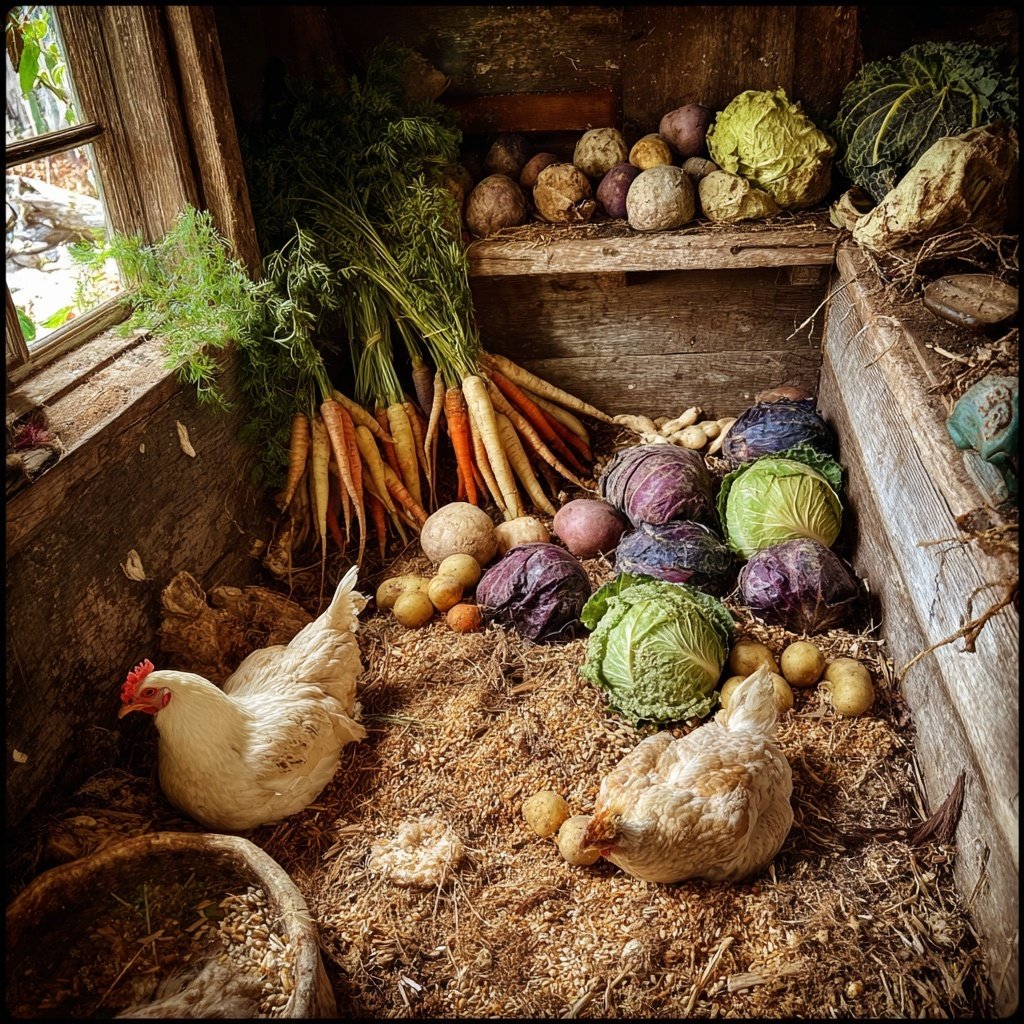
You can also add treat stations where you can throw in kitchen scraps like vegetable peels and grains. This not only helps reduce waste but encourages foraging behavior. Just be cautious to avoid overfeeding scraps, as too many treats can disrupt their balanced diet. Creating a feeding schedule that incorporates both feed and scraps can keep their diets varied and enjoyable.
Pro Tips
- Consider rotating the grazing areas for your chickens to maintain healthy grass and give them new foraging spots. Adding a small water feature can also keep your chickens cool and entertained.
Maintenance Tips
Regularly assessing the condition of your coop run is crucial to maintaining a safe environment. Inspect the fencing for any wear, tight spots, or breaks every few weeks, and perform seasonal cleanings to remove droppings and uneaten feed. Ensuring proper ventilation within the coop helps to reduce ammonia build-up and keeps your chickens healthy. Aim for a daily check but do a more thorough inspection at least once a month to catch any issues early.
Incorporating a dust bath area into your run can be a game-changer for chicken hygiene. It helps prevent mites and keeps their feathers in excellent condition. A simple structure filled with sand, ash, or diatomaceous earth encourages the chickens to bathe and maintains their skin health.
Seasonal Adjustments
Adapting your chicken run for different seasons is essential to ensure your chickens remain comfortable year-round. In the summer, providing shaded areas where they can escape the heat is vital. Consider using tarps or temporary shade cloth systems, and ensure they have ample cool water available at all times. During the winter months, adding windbreaks and ensuring the coop is draft-free can help your chickens keep warm and healthy.
In colder climates, think about using deeper bedding like straw in the coop to help insulate. This bedding can provide warmth as it breaks down, generating heat through composting. Always monitor their behavior—chickens will huddle together when they’re cold, so ensure they have enough space to do so comfortably.
Chickens and Community
Integrating your chickens into your backyard can improve your garden’s ecosystem while also generating community interest. If you're comfortable, consider hosting small 'chicken meet-and-greet' sessions with neighbors to promote awareness about backyard poultry keeping. This provides educational opportunities and can encourage recipes or ideas for treats and supplements that benefit your flock.
Utilizing your coop run for demonstrations on chicken care can be a delightful way to share your passion for backyard farming. Organizing workshops or small events can help build connections and share tips on maintaining healthy flocks while fostering a community spirit around sustainable living.
Questions About Recipes
→ What size should I make my chicken coop run?
A good rule of thumb is at least 10 square feet per chicken. This ensures they have enough space to move around comfortably.
→ How can I protect my chickens from predators?
Using sturdy fencing, adding a roof, and ensuring there are no gaps they can slip through are critical steps in protecting your flock.
→ What should I put in my chicken run to keep them entertained?
Consider adding climbing structures, foraging areas with grains hidden in the grass, and toys like hanging cabbage or mirrors.
→ Is it necessary to cover the run?
While not strictly necessary, covering the run can protect your chickens from hawks and other aerial predators, as well as keep them dry during rain.
Chicken Coop Run Ideas
Created by: Theodora Blythe
Recipe Type: Local Meals
Skill Level: Beginner
Final Quantity: 1 coop run
Extra Tips
- Consider rotating the grazing areas for your chickens to maintain healthy grass and give them new foraging spots. Adding a small water feature can also keep your chickens cool and entertained.
Nutritional Breakdown (Per Serving)
- Calories: 0 kcal
- Total Fat: 0g
- Saturated Fat: 0g
- Cholesterol: 0mg
- Sodium: 0mg
- Total Carbohydrates: 0g
- Dietary Fiber: 0g
- Sugars: 0g
- Protein: 0g